Write a Bestselling
Christian Fantasy Novel
In a Weekend
A complete novel-writing system. Three files. ChatGPT or Claude. A publishable Christian fantasy novel... plus a seven-module course and the Audio Dollars short-story engine. Watch the video.
Get The Christian Fantasy Writing System
✓ Beginner Friendly✓ Uses Your ChatGPT or Claude✓ No API Keys
i. The Genre
This Is Narnia. This Is the Tradition You Would Be Writing In.
A lion dies on a stone table and comes back. A pastor prays in an empty church and something in the darkness flinches. A boy discovers he is the weapon his family was running from, and that the only way to save them is to let himself be used.
These are not just fantasy novels. They are the stories that shaped how an entire civilization thinks about sacrifice, courage, and grace. Lewis wrote Narnia in the 1950s. Seventy years later, parents still read those books to their children at bedtime.
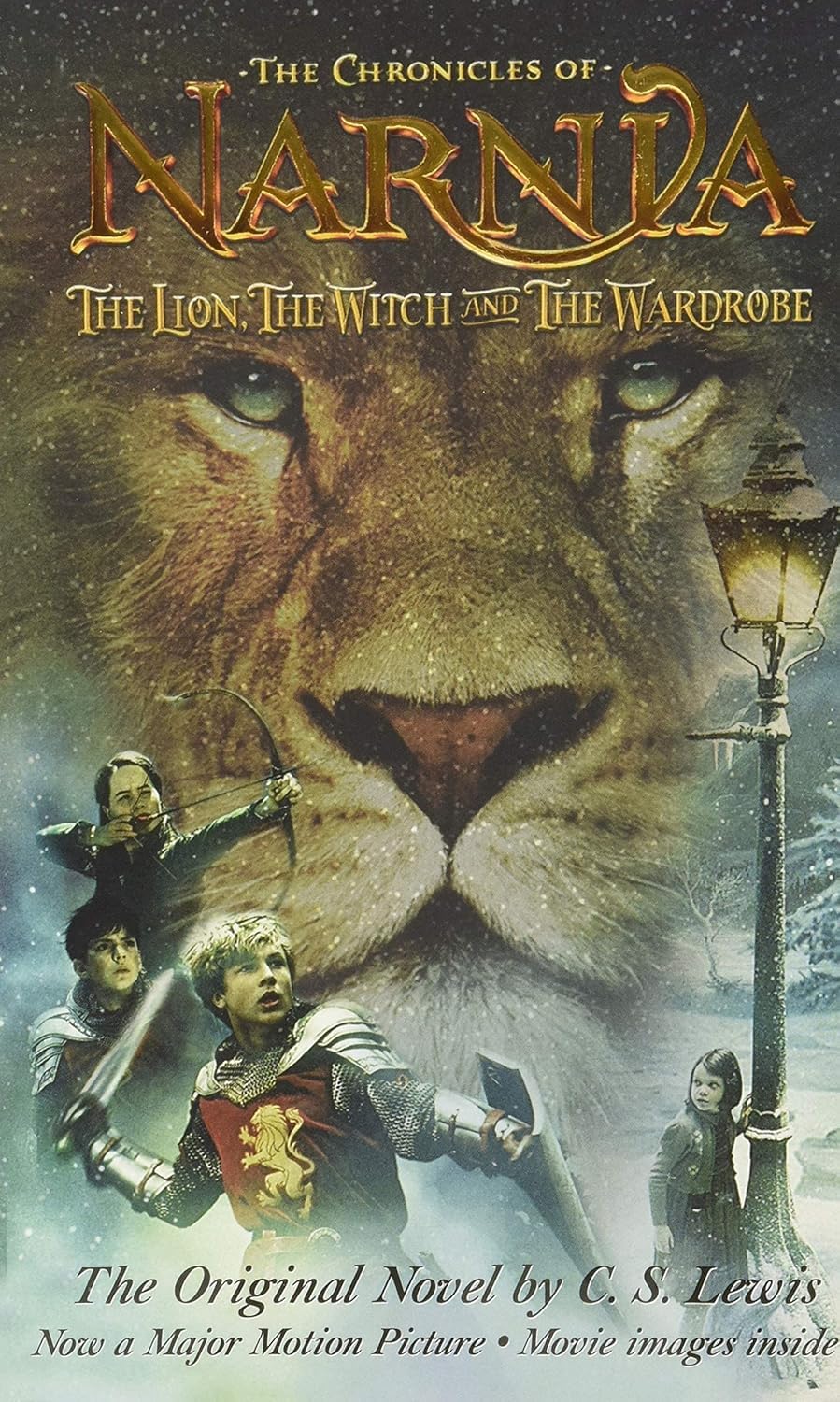
C.S. Lewis100M+ copies sold. The genre's foundation.
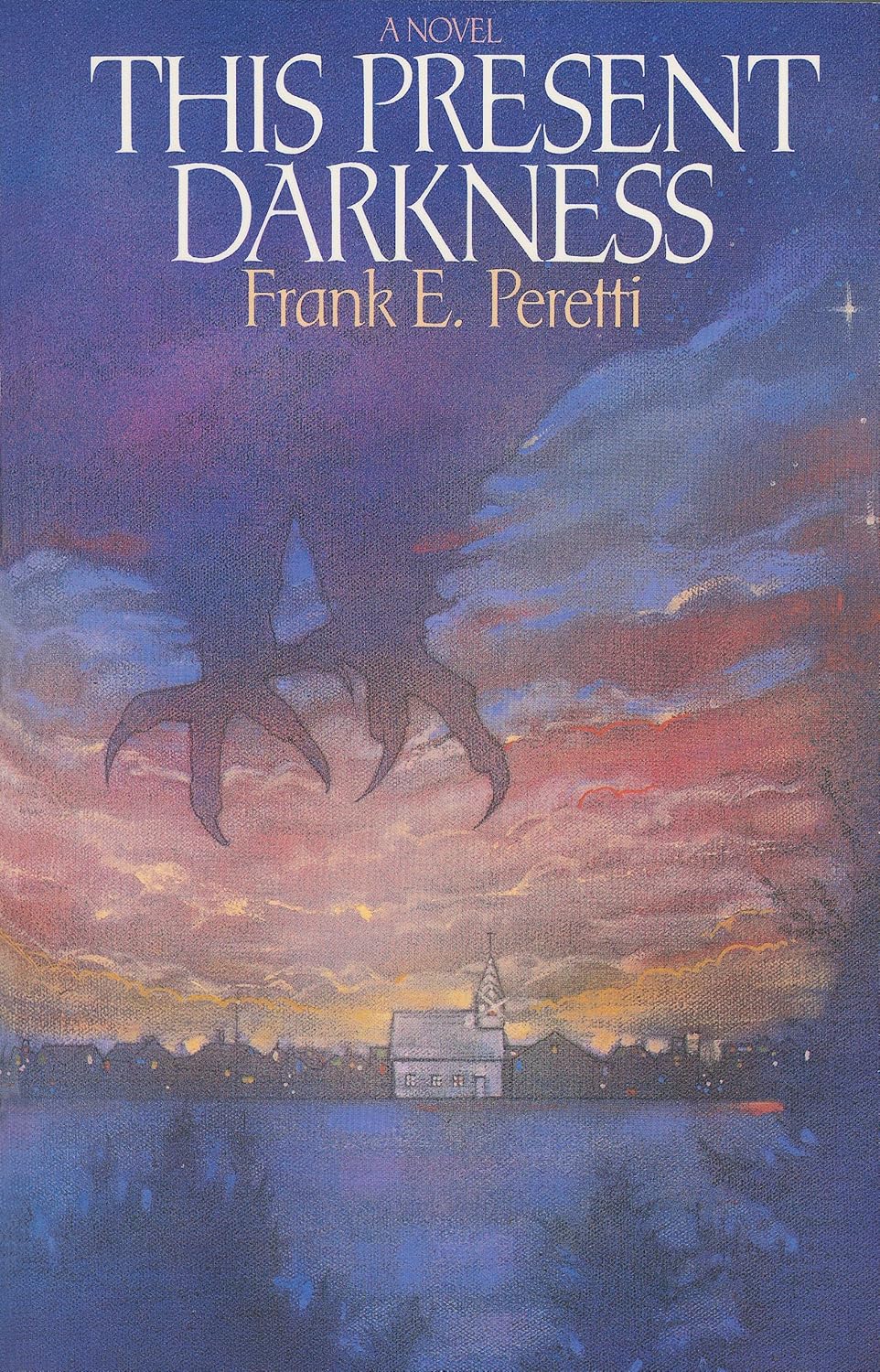
Frank Peretti2.7M+ copies. Launched modern Christian fiction.
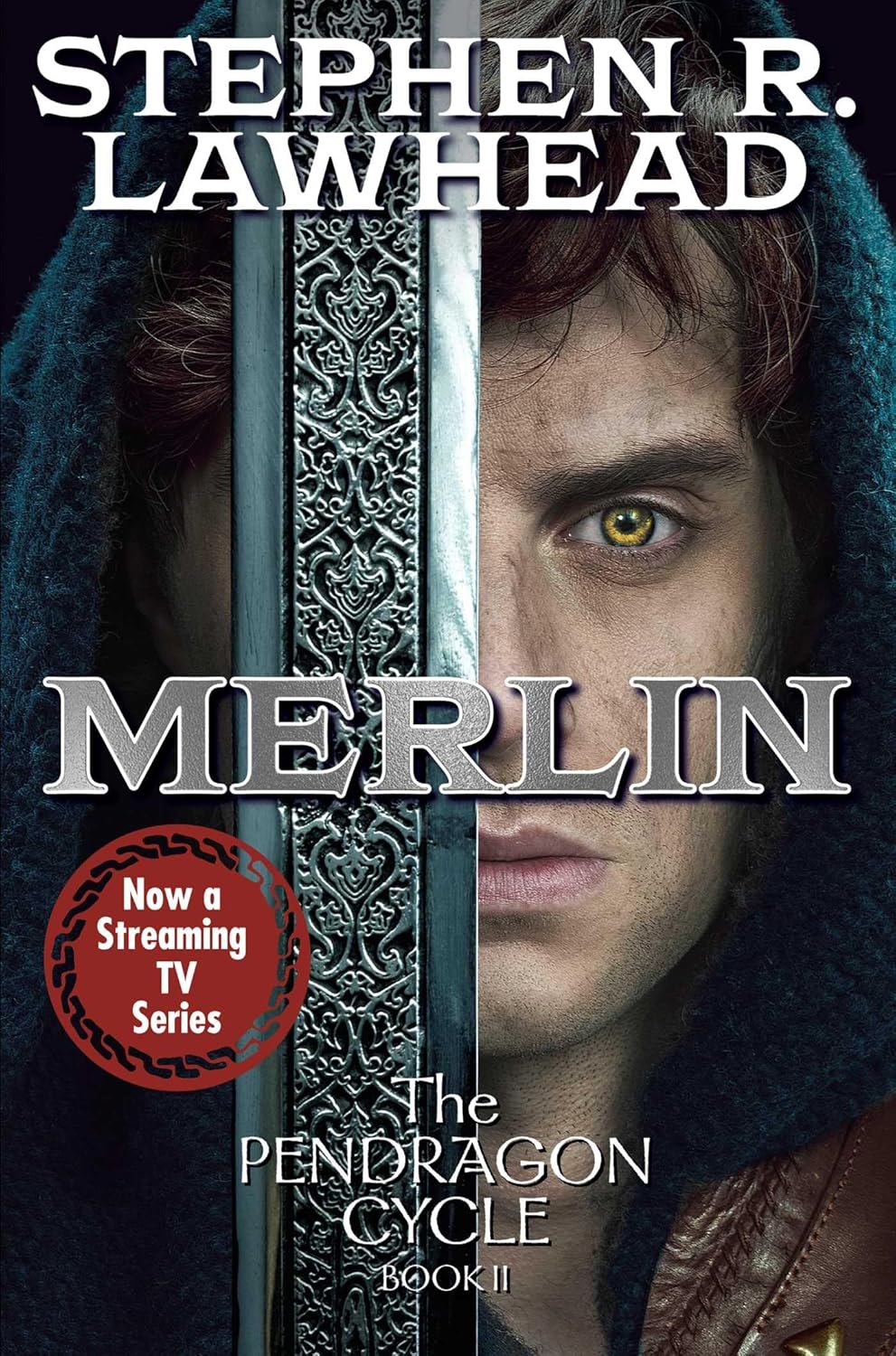
Stephen R. LawheadThe Pendragon Cycle. Four decades in print.
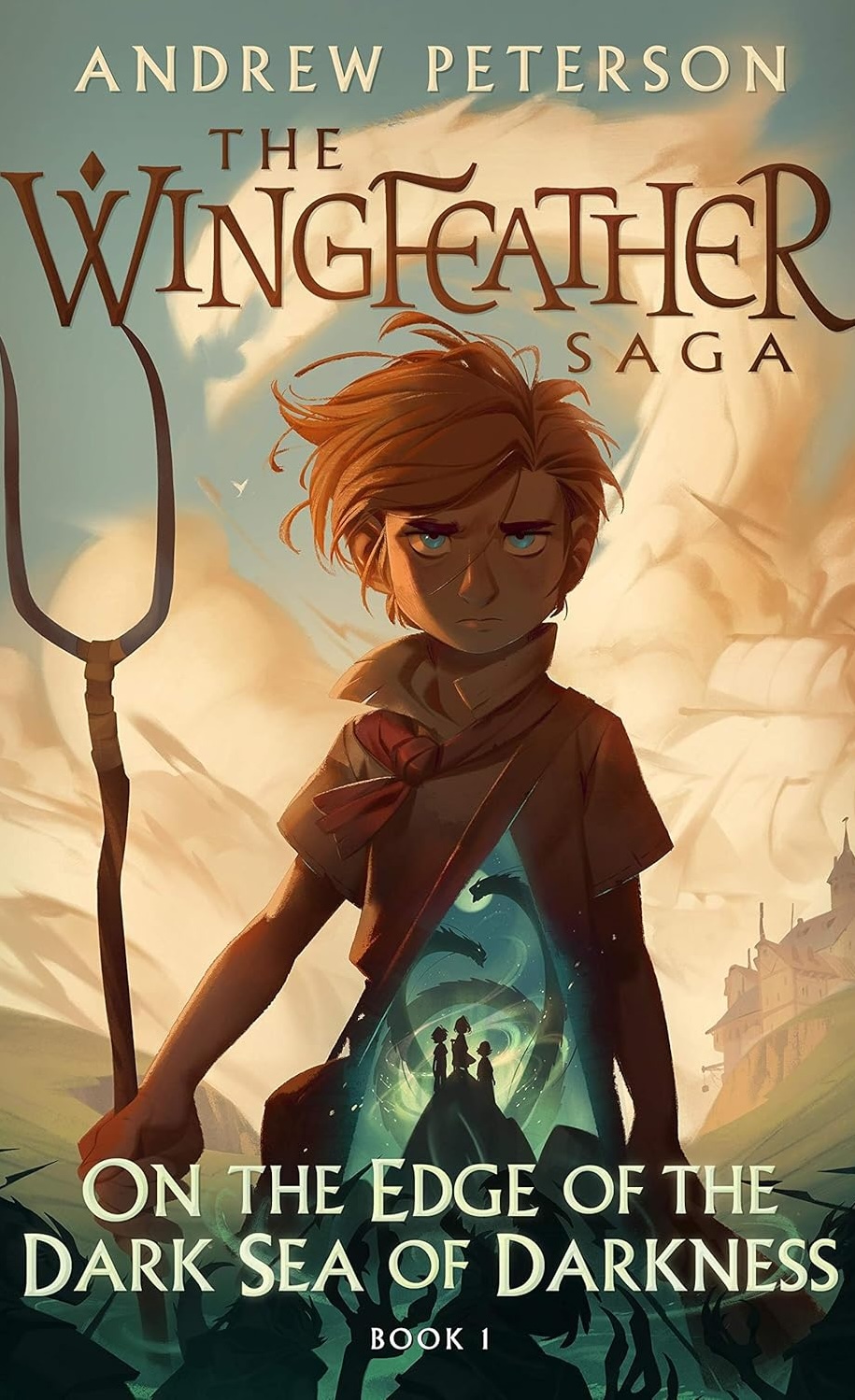
Andrew Peterson1M+ copies. Angel Studios animated series.
That is the tradition. And it is not slowing down. Peterson's Wingfeather Saga became an animated series that ran three seasons. Lawhead's Pendragon Cycle has been in print for four decades and published a new entry in 2025. The wider religious-press market hit two billion dollars in 2024, up more than fifty percent in four years.
And here is what makes these readers different from every other audience on Amazon.
A Christian fantasy reader who loves your book does not just leave a review and move on. She hands it to someone in her small group. She mentions it at church. She buys a copy for a friend going through a hard season and says "you need to read this." One reader becomes five. Not through algorithms. Through community.
That is the market. Tens of millions of readers. Year-round buyers. The most loyal audience in publishing... and the honest edge is not an empty shelf, because there isn't one. The edge is craft. This genre has rules no other genre has, most of what gets published breaks them, and the reader can tell within three paragraphs. Write the book that passes her test and you win on quality in a market that rewards nothing else.
The Problem
Every AI Tool on the Planet Gets This Genre Wrong. This System Does Not.
Here is the problem.
You cannot write Christian fantasy with a base AI. You cannot write it with a generic prompt pack. You cannot write it with any tool that was not built from the ground up for the specific demands this genre makes.
And those demands are brutal. Get any one of them wrong and the reader is gone.
The preaching problem. Ask a base AI to write a Christian fantasy scene and you get characters who deliver theological speeches. A narrator who explains grace instead of showing it. "She felt God's presence." "Peace washed over him." "A light filled the room." The exact phrases that make an experienced Christian reader close the book at chapter two. Faith in this genre must be shown through behavior, never stated through narration. Base AI does not know the difference.
The magic problem. This is where most AI-assisted Christian fiction dies. Christian fantasy has a supernatural system with rules no other genre has. Divine power is a gift... received through prayer, obedience, faith. It is never a technique. Never a spell. Dark power... necromancy, sorcery, blood magic... can exist, but only as corruption. Protagonists do not use it. Ever. Not even temporarily. Not even for good reasons. A base AI does not understand this distinction. It writes wizards casting spells and calls it Christian fantasy. The reader puts the book down and does not come back.
The language problem. Zero profanity. Not reduced profanity. Not mild oaths. Zero. No "damn." No "hell" as an expletive. When a rough character would realistically swear, the prose narrates around it: "He swore." A base AI does not enforce this. One word in the wrong place and you have a one-star review that mentions it in the first sentence... and that review sits on your book forever.
Christian fantasy readers are the most discerning audience in fiction. They grew up reading Lewis. They know what faith looks like when it lives inside a story instead of sitting on top of it. And they can tell in three paragraphs whether the book they are reading was written with understanding or manufactured without it.
This system was built to pass that test.
ii. The Output
This Is What the System Produces
Before I tell you how the system works... let me show you what it writes. First draft. One pass. No human editing.
The chapel bells rang at dawn and Rynn did not rise.
She had been awake for an hour already, sitting on the edge of her cot with her boots in her hands, listening to the sound cross the valley the way it had crossed every valley she had ever tried to leave behind. The other women in the dormitory were already moving, pulling shawls over sleep-creased faces, murmuring the morning blessing the way you murmur something you have said so many times it no longer requires belief.
Rynn pulled on her boots. She did not murmur anything.
Eleven months ago she had stopped praying. Not dramatically. Not in anger. She had simply opened her mouth one morning and found nothing there. No words, no want, no sense that anyone was listening. The silence had startled her at first. By the fourth morning she had stopped trying, and by the sixth she had stopped noticing.
The boots were too tight. They had been too tight since the river crossing, and she had not mentioned it to anyone because mentioning it would mean stopping, and stopping would mean staying, and she was not staying anywhere the bells could find her.
Five paragraphs. You already know exactly who this woman is. You know she has lost her faith. You know she is running. You know the boots are too tight and she will not stop for them.
And the system did not tell you any of that. No narrator announcing "Rynn had lost her faith." No internal monologue explaining her theology. It showed you... through boots and bells and a blessing she does not murmur. That is the no-preaching rule in action. That is what makes this system different from every prompt pack on the market.
Here is another passage. Same character, a few chapters in. This is what the framework calls a communion scene... a moment where the protagonist encounters something sacred. Watch what it does with it.
The old man knelt in the courtyard and planted the seedling with bare hands.
Rynn watched from the doorway. She had come to ask about the northern road, whether the bridge at Cairnford still held, whether the garrison had moved on. Practical questions. Questions with answers she could use.
But he was kneeling in the dirt with his sleeves rolled back, pressing soil around a stem no thicker than her little finger, and he was talking to it. Not praying. Talking. The way you talked to something you expected to grow.
She waited. The wind came through the courtyard and carried the smell of wet stone and rosemary and something older than both. The old man finished. He did not stand. He stayed on his knees for a moment with his palms flat on the earth, and his lips moved, and whatever he said was too quiet for Rynn to hear and too steady to be nothing.
Her hands were at her sides. She noticed, with a feeling she could not name, that they were open.
Read that last line again. "She noticed, with a feeling she could not name, that they were open."
A generic AI would have written "She felt God's presence for the first time." This system does not. It puts a man on his knees in a courtyard talking to a seedling, and it lets the reader feel the shift before the protagonist can name it. The body responds before the mind does. The hands open. The reader understands what is happening without a single word of theology on the page.
That is Christian fantasy done right. That is what Lewis did. That is what this system produces, chapter after chapter.
Get The Christian Fantasy Writing System
✓ Beginner Friendly✓ Uses Your ChatGPT or Claude✓ No API Keys
iii. The System
How the System Works
Three files and a short course. That is the product. But those files hold nearly a thousand lines of novel-production architecture built specifically for this genre... and upgraded to the same architecture that runs my flagship Co-Author systems.
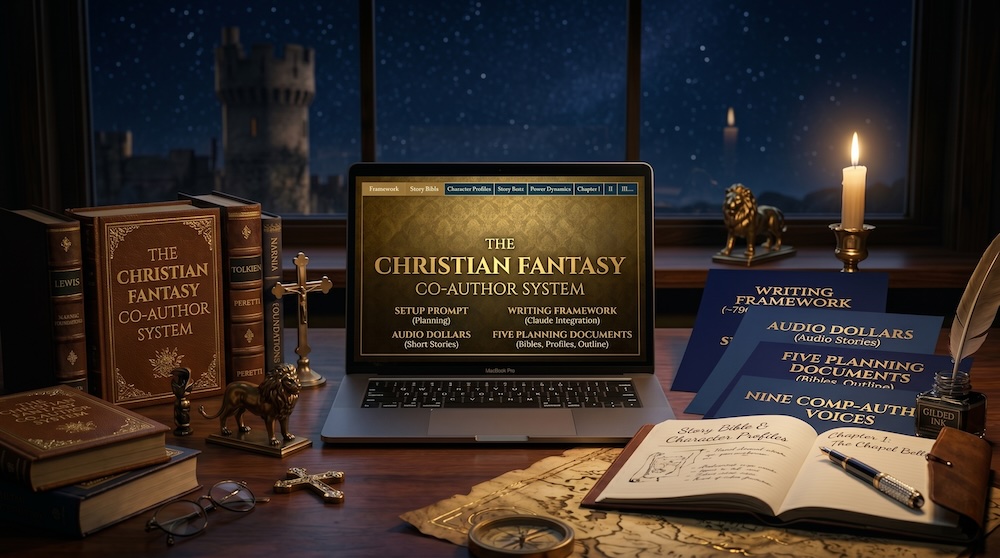
File one is the Setup Prompt. You paste it into a new chat and it walks you through a guided planning conversation. Three fully developed options at every step... not labels, real directions you can feel the story inside. Your mode... allegorical like Lewis, an invented world with embedded faith like Knight, a biblical retelling, or historical like Lawhead. Your world and its spiritual architecture. Your protagonist and, most important of all, their spiritual wound... the specific absence grace will have to reach, engineered into the whole novel. Your opposition, built genuinely dangerous and genuinely wrong, with a campaign of its own. Your crisis and your ending. You make the calls. The architecture is mine.
And the voice calibration is unlike anything else on the market. Nine registers from the genre's masters... Lewis, Tolkien, Peterson, Knight, Dekker, Peretti, Lawhead, Kropf, Cotten. You hear actual sample passages and pick your book's voice, or merge two. The system even guards against the failure every base AI makes in this genre: drifting into a generic "classic" blend of Lewis and Tolkien that serves nobody's actual story.
Then it generates your planning documents, one at a time. A World Bible with the complete spiritual architecture of your world. A Story Bible that is the novel's DNA and its secret weapon: the full voice specification, plus the spiritual journey engineered in advance... the wound and what grace looks like for this person, the transformation mapped as visible behavior, a dozen small grace moments scheduled and tracked, the planted "coincidences" that pay off in the final act, the enemy's escalating campaign, and the crisis of faith designed before Chapter 1. Character Profiles with a voice sample that keeps your protagonist sounding like themselves for twenty-five chapters. A Chapter Outline that schedules every grace moment and every move the enemy makes. And a Story State that tracks everything as you write. Five documents. The complete blueprint of your novel, built in about an hour.
File two is the Writing Framework. It lives in your project permanently and the AI reads it before every chapter... the no-preaching discipline enforced on every page, the complete divine-and-dark supernatural system handled with the theological precision this audience demands, the content contract, the transformation craft, and the sacred-moment technique that writes the body's response instead of describing God.
File three is the Style Pack, a strict little file that strips out the words and tics that make AI sound like AI... including this genre's own tells, the spiritual cliches and the sermon-sentences... and mechanically enforces the zero-profanity rule on every chapter. After each chapter the system updates the Story State, so the novel never drifts and never forgets a planted thread.
And wrapped around all of it: a seven-module course that takes you from "what is this genre" to a finished, packaged book. It deserves more than a sentence... so it gets its own section, right below.
Runs on ChatGPT or Claude. Pick either... the system does the heavy lifting, not the model. No API keys, no special tools. Three files and the AI of your choice. Not the small models... they fail exactly where this genre lives: they preach, they flatten every voice into one reverent register, and they reach for the cliches this genre's readers flinch at.
iv. The Course
You Are Not Left Alone With Three Files
Most AI writing products hand you a prompt and wish you luck. This one ships with a complete course... seven modules that take you from "I have never written fiction" to a packaged, positioned book sitting in the exact subcategories where your reader shops, with a second income stream running beside it. Not filler videos. Written, structured training you can read in an evening and execute the same weekend.
Seven Modules. Blank Page to Published.
- Module 1: Before You Begin. What you are holding, the two AIs it runs on... ChatGPT for momentum and dialogue, Claude for atmosphere and wonder, or Claude for the plan and ChatGPT for the prose... and how the whole system fits together: a morally grounded Christian fantasy with a transformation earned instead of announced, a world the reader can feel the Maker in, and faith shown, never preached. Either engine holds a novel together, because that is the framework's job, not the model's. Ten minutes in, you know exactly what you are building and how.
- Module 2: Know the Genre. The transformation engine, the three pillars, the seventy-year tradition from Narnia to Wingfeather, the most loyal reader in publishing, and the honest shape of the opportunity. You walk in understanding the genre better than most people writing in it.
- Module 3: Write the Genre. The decision stack that makes the book yours: the four modes, your protagonist's wound, the opposition that tests it, the six dials, the content contract, and the no-preaching rule that decides everything. Every lever explained, so you pull them on purpose.
- Module 4: Set Up Your Book. Put the Framework and Style Pack with your book, drop the Setup Prompt into one planning conversation, send one exact line, and spend about an hour answering its questions: three developed options at every decision, one recommended, and you pick, blend or overrule. You come out the other side with all five planning documents, the Story Bible among them engineering the spiritual journey before Chapter 1, in an exact seven-file workspace... with a cast you named yourself. Covered step by step on both ChatGPT and Claude, so nobody gets lost.
- Module 5: Writing the Novel. The chapter routine itself: one fresh conversation per chapter, the hydration prompt that has the AI read all seven files, the Context Lock where you steer before a word of prose... both strands, the external trial and the faith arc... the read-and-fix pass that catches preaching first, and the Story State swap that keeps every grace moment, loss and providence plant straight from first page to last. A Final Story State at the end, beside your World Bible, unlocks Book 2. This is the module that turns planning documents into a manuscript.
- Module 6: Position the Genre. The part almost every indie author gets wrong... and in this genre it is about trust: the cover language (and the occult signals that poison it), the dedicated categories, the subtitle that carries the promise, the blurb that signals honestly, and keywords in the reader's own trust vocabulary.
- Module 7: Audio Dollars. The fifteen-minute audio short engine: one prompt, one fresh ChatGPT or Claude conversation, one complete Christian fantasy short of about 2,100 words written for the ear... one protagonist, one trial, exactly one encounter with grace, quiet and physical, and one irrevocable choice that costs something real. It asks you nothing, writes in one pass, and hands you plain text in a code block, with zero profanity and the door always closed. Seed it with your own world and protagonist if you like. Your second format, narration-ready.
People in this space sell thinner courses than this for $97... as the whole product. Here it is the wrapper around the actual engine. Read it once and you will know exactly how to do this, again and again. That is the point. Not one book. An operation.
v. Why Me
Why This System Exists
I built the Cozy Co-Author system. Same architecture you are looking at right now. I used it to write the Whiskers & Wildwood trilogy... three novels, 236,000 words, published in 13 days under a pen name.
Those three books hit Amazon bestseller rankings in multiple categories. #2 in Women's Humorous Fiction. #4 in Women's Fantasy Fiction. #5 in Cozy Fantasy Fiction. Above Legends & Lattes, above The Spellshop, above Swordheart. Real rankings. Real reviews. Real royalties.
I sent a manuscript to Gemini... Google's AI... and asked it to evaluate the prose blind. It concluded the book was almost certainly written by a human. "The prose is too restrained, too specific, and too grounded in physical detail to be AI-generated."
Then came Steamy Co-Author: seven romance genres, each with its own engine, built on a new generation of that architecture. Real systems, real books, real buyers.
This Christian Fantasy system is built on that same new architecture. Not a reskin. Not a genre label swap. The engine here has nothing in common with cozy fiction or romance: it is transformation... a soul moved from darkness toward grace, in a world whose moral architecture holds. And the genre knowledge runs deep where this audience demands it: the four modes, the theological care in the supernatural system, the content contract, the no-preaching discipline. It knows this genre from the inside.
vi. The Audio Engine
Christian Fantasy For Audio Dollars
The novel system writes books. Audio Dollars writes stories you can hear.
Audio Dollars is my fiction engine for audio narration. This is the Christian Fantasy edition... a complete production prompt that generates a finished short story in a single pass. Not an outline. Not a draft. A complete, narration-ready story with audio-specific formatting, pacing built for the ear, and the full journey... displacement, trial, the encounter with grace, the crisis, the transformation... compressed into 15 minutes of listening.
Same genre. Same craft. Same no-preaching discipline. Same content contract. Different format. Different market. Different income stream. And faith-based audio is its own hungry shelf.
Paste the prompt. Give it a creative seed... or tell it to surprise you. It builds the entire story, ready for text-to-speech and the audio platforms where millions of subscribers are already pressing play.
Novels for KDP. Short stories for audio. Two formats, two income streams, one genre. Both included.
vii. Everything You Get
Here's Everything You Get
For Just $27 Today
A complete novel production system. From blank page to a publishable Christian fantasy novel. Built by the creator of Cozy Co-Author and Steamy Co-Author. Runs on ChatGPT or Claude.
The System
The Writing Framework
The Writing Framework is the genre engine: the transformation craft, the no-preaching discipline enforced on every chapter, the divine-and-dark supernatural system handled with theological precision, the content contract, and a nine-register voice library from Lewis to Peterson to Peretti. This is the file that makes the AI write like a professional Christian fantasy author.
The Setup Prompt
The Setup Prompt is a guided planning conversation, three options at every step, that turns your idea into a full blueprint... your mode, your world's spiritual architecture, your protagonist's wound, your opposition, your crisis. Your novel, your choices.
The Style Pack
The Style Pack is the strict little file that strips the AI tells out of your prose automatically, on every page... including this genre's own tells, the spiritual cliches and sermon-sentences... and mechanically enforces the zero-profanity rule.
Five Planning Documents
Five planning documents generated for you: World Bible, Story Bible, Character Profiles, Chapter Outline, and Story State... with the Story Bible engineering the spiritual journey chapter by chapter: the grace moments, the planted providence, the enemy's campaign, and the crisis designed in advance.
The Course
The Seven-Module Course
A seven-module course: know the genre, make your creative calls, run the setup, write chapter by chapter, then package and position the finished book... covers, categories, subtitle, blurb, and keywords included. You will know exactly how to do this, again and again.
The Bonus
Audio Dollars — Christian Fantasy Edition
The Audio Dollars Christian Fantasy Edition, the audio fiction engine that writes a finished fifteen-minute short story in a single pass. A second format, a second income stream.
Runs on ChatGPT or Claude
Runs on ChatGPT or Claude. No API keys, no special tools. Three files and the AI of your choice.
Total value: $244 ... yours today for just $27
No upsell required to make it work. No subscription. No API keys. The complete system, delivered instantly. What you write with it belongs to you, and so does every dollar it earns.
Your Price Today: $27
✓ Beginner Friendly✓ Uses Your ChatGPT or Claude✓ No API Keys
viii. The Guarantee
Try It Risk-Free for 14 Days.
Here is the deal.
Get The Christian Fantasy Writing System today. Read the course. Run Setup. See what Claude or ChatGPT builds with you.
And if for any reason... or no reason at all... you decide it is not for you, just send me a message within 14 days and I will refund you in full. No questions asked.
I will be happy you gave it a try and we will part as friends. That is my promise to you.
But here is the thing...
Any novel you start during those 14 days? Yours. Any planning documents Claude or ChatGPT generates? Yours. Even if you start a novel during those 14 days and decide to keep going... still yours.
The risk is near zero. The potential is a real novel in the tradition your readers already love, on a shelf where faithful craft wins.
At some point the smart move is just to try it.
Get The Christian Fantasy Writing System
✓ Beginner Friendly✓ Uses Your ChatGPT or Claude✓ No API Keys
Look... if you have read this far, you are not just browsing. You are thinking about this seriously.
Good.
If you have ever wanted to write a Christian fantasy novel... the kind of book that sits on a reader's shelf next to Lewis and Peterson and gets passed to a friend with the words "you need to read this"... this gives you the tools to produce it. If you want a real, full-length book for the most loyal readers in publishing... this gives you one.
The system is ready. The tradition is waiting. The tools are in your hands.
Go write something.

P.S. One novel is a book. Three is a series. And this genre's readers are completists in a world they trust... the same World Bible carries your whole series, and the Final Story State hands each book to the next. Book 1 is the hook; the series is the business.
P.P.S. You can try the entire system risk-free for 14 days. If it is not for you, you get your money back. The novel you started is yours to keep.
P.P.P.S. The most loyal readers in publishing are handing each other books right now... at church, in small groups, as gifts. $27 and a weekend is all that stands between you and writing the next book they pass along.
FAQ
Do I need a fully developed story idea?
No. Bring a spiritual question, a soul you can picture, a world where faith is tested, or the feel of a book you love. One line is enough; the setup honors your seed at every step after. If you have nothing, say "surprise me" and it builds three concepts from scratch.
Does it have to be an allegory like Narnia?
No. You choose your mode at setup: allegorical like Lewis, an invented world with embedded faith like Knight, a biblical retelling, or historical like Lawhead. The mode shapes how God is named, whether Scripture exists, and what the narrator can say.
How does it handle faith, magic and language?
Faith is shown through behavior, never stated through narration. Divine power is a gift, received through prayer, obedience and faith; dark power exists only as corruption, and protagonists never use it. Zero profanity, and romance stays closed-door at every level. The system enforces all of it, on every page.
Which AI and training do I need?
Your own ChatGPT or Claude, in the desktop app or your browser. No API keys. The seven-module course walks you through setup, click by click.
Get The Christian Fantasy Writing System
✓ Beginner Friendly✓ Uses Your ChatGPT or Claude✓ No API Keys